Enlarge Your Space: Uncover Affordable Self Storage Solutions for Every Need
Increasing space efficiency is increasingly important in today's speedy world. Life moves often require a re-evaluation of one's storage needs. Affordable self-storage solutions deliver a selection of possibilities, catering to multiple requirements. From conventional units to climate-controlled environments, these facilities can store both personal and business items. Grasping the multiple types and advantages of self-storage can lead to informed choices. What considerations should one consider when determining the most suitable storage option?
Reasons You Might Want Independent Storage
Many individuals find themselves in requiring self-storage, particularly during major life transitions. Moves, whether for job opportunities or individual circumstances, often demand temporary solutions for housing belongings. Additionally, life transitions, such as marriage, divorce, or the arrival of a new family member, can create an pressing need for extra space.
Seasonal products, like holiday decorations or sports equipment, prompt people to seek storage options as well. Home renovations also demand self-storage, providing a secure area for furniture and belongings while work is completed.
Students moving between semesters may demand a storage solution for dormitory items. Finally, businesses often utilize self-storage for excess inventory or equipment, liberating valuable office space. In these scenarios, self-storage acts as a adaptable and convenient option, accommodating the diverse needs of individuals and families alike.
Diverse formats of Self-Storage Units to Weigh
Choosing the right self-storage unit can greatly affect the ease and effectiveness of storing personal or business belongings. Various kinds of storage facilities serve different needs. For example, standard units are perfect for everyday storage needs, offering a safe location for boxes, furniture, and seasonal items. Climate-controlled units are crucial for delicate belongings like electronics and artwork, maintaining a consistent temperature and moisture balance.
For companies, commercial storage units provide bigger areas and typically include extra amenities like 24-hour access and loading facilities. Drive-up storage allow for easy vehicle access, ensuring simple and effortless loading and unloading. Ultimately, customized storage options, such as auto or marine storage, hold bigger belongings that require extra space. By understanding these choices, individuals and businesses can choose a self-storage solution that suits their unique requirements and maximizes their available space.
Grasping the Perks of Self-Storage Services
What ways can self-storage solutions boost arrangement and efficiency in individual and business contexts? Self-storage provides a viable method to streamline locations, enabling individuals and businesses to maintain organization and accessibility. By giving extra area for items not in regular application, self-storage spaces can aid in improving operations, whether it's seasonal inventory for a business or personal belongings during a home renovation.
Moreover, self-storage can function as a temporary space during life changes, like moving or downsizing, making the process smoother. For businesses, it reduces on-site congestion, enabling a more organized and focused workplace. Security features often included in self-storage facilities, such as surveillance and access controls, provide peace of mind about valuable items. Ultimately, self-storage solutions can greatly improve organization and efficiency, creating a more productive and peaceful environment for both personal and professional needs.
Determining the Ideal Storage Unit Capacity?
Determining the suitable storage unit size can substantially influence the productivity of a storage arrangement. Selecting a space that is too small can result in clutter, making movement difficult and arguably damaging items. Conversely, opting for an excessively large space may result in surplus spending and vacant space.
To create a thoughtful choice, individuals should first evaluate the volume and type of items they plan to store. Furniture, appliances, and seasonal items may need larger units, while boxes of documents or smaller personal belongings can rest conveniently in compact spaces.
Moreover, considering future demands is critical; a storage unit that accommodates current belongings might need to grow later. Most facilities offer various sizes, enabling customers to strike a balance between cost and capacity. Ultimately, careful evaluation of requirements and potential growth will lead to an ideal storage option that maximizes both space and budget.
Strategies for Organizing Your Closet Area
Maximizing storage space requires a strategic organization plan. First, people should assess the items to be stored, categorizing them into groups such as seasonal, frequently used, and seldom accessed. Utilizing clear bins or labeled boxes helps to spot contents easily, preventing unnecessary digging.
Next, it is sensible to organize items vertically to fully utilize vertical dimensions, setting heavier items at the foundation and lighter items at the top. Shelving solutions can enhance access and order, allowing for optimal space usage.
In addition, putting together an inventory list can yield a speedy lookup to discover items without sorting through boxes. It's also important to keep a clear pathway for easy access to frequently used items.
Locating Budget-Friendly Self-Storage Nearby
Identifying cost-effective storage unit options requires a detailed evaluation of local costs. Multiple facilities offer discount promotions that can significantly reduce costs, making it important to examine these options. A planned approach to evaluating neighboring storage centers can produce major savings and improved storage unit options.
Analyze Local Cost Options
When investigating affordable self-storage choices, comprehending regional pricing can significantly affect financial decisions. Prices for storage units can differ substantially based on location, size, and amenities. Examining units within a selected location reveals a variety of options, from basic spaces to temperature-regulated units. Renters should evaluate the trade-offs associated with different rate levels, as lower prices may sometimes correlate with restricted access or fewer security amenities. Furthermore, comparing online platforms and local advertisements enables individuals to identify competitive prices. Inspecting facilities in person can also offer understanding into any concealed charges or fees. Finally, thorough evaluation of regional rates guarantees that people find a solution that fulfills their keeping needs without sacrificing their budget.
Discover Promotional Offers Close By
What methods can people use to find the best discount deals for self-storage in their region? They can begin by researching local facilities via the internet, where numerous providers advertise current deals. Websites commonly feature limited-time promotions, including reduced opening month costs or waived administrative fees. Furthermore, people should think about registering for newsletters or subscribing to social media accounts of nearby storage companies, as these platforms regularly announce exclusive offers.
Word of mouth can also be advantageous; asking friends or family about their feedback may expose hidden bargains. Finally, analyzing prices and promotions across multiple facilities assures that potential renters discover the most cost-effective options tailored to their needs. By diligently pursuing these channels, individuals can enhance their financial gains on self-storage solutions.
Important Considerations When Picking a Self-Storage Facility
When choosing a self-storage unit, several key factors deserve consideration. Location accessibility plays an essential role in accessibility, while security features guarantee the protection of belongings. Furthermore, evaluating pricing plans can help individuals discover a option that fits their financial constraints.
Location Accessibility
Location convenience is vital in choosing a self-storage unit. Prospective users focus on closeness to their residence or workplace to guarantee convenient entry to their belongings. Facilities located near primary highways or public transit improve accessibility, making it easier for customers to transport items. Additionally, the surrounding area may influence decisions; a bright, well-kept area can offer peace of mind. Potential renters should also consider the availability of parking options, as sufficient space can facilitate loading and unloading. Ultimately, choosing a conveniently located facility can conserve time and effort, making the self-storage process more productive and user-friendly. Evaluating these factors will help individuals find a solution that meets their particular needs.

Safeguard Capabilities
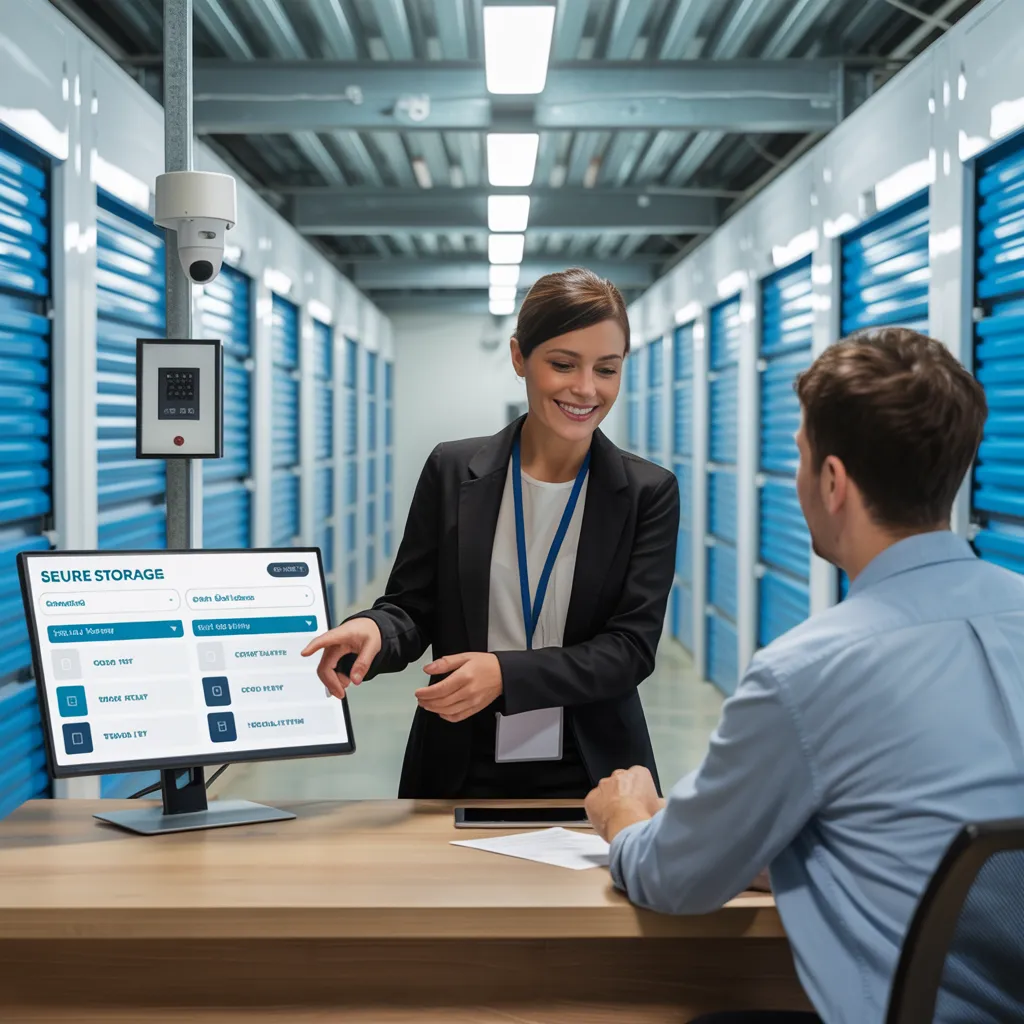
Selecting a storage unit facility involves more than just location; security features are equally important. Potential renters should concentrate on facilities that offer effective security precautions to guard their belongings. Key features to review include 24/7 video surveillance, gated access, and individual unit alarms. Facilities with on-site personnel enhance security further, delivering immediate assistance and monitoring. Secure locks and well-lit environments also contribute to a safer storage experience. Additionally, some facilities offer climate control, which can protect sensitive items from temperature fluctuations. Evaluating these safety features guarantees that renters can trust their possessions will be safe and secure while stored away. Ultimately, a strong security profile can provide peace of mind and confidence in the selected facility.
Pricing Packages
In the decision-making process for self-storage facilities, pricing is highly important. Potential customers typically scrutinize various pricing alternatives to identify a facility that aligns with their budget and storage necessities. Pricing is influenced by factors including location, unit size, and additional features like climate control or enhanced security. Many facilities offer tiered pricing models, giving customers the choice between short-term and long-term rental contracts, often resulting in reduced rates for longer commitments. Special offers, such as the first month free or discounted referral rates, also assessment impact overall cost. Comprehending these pricing structures aids customers in making wise decisions, ensuring they pick a self-storage solution that fits both their financial constraints and storage requirements.
Frequently Posed Questions
What Are the Safety Measures of Self-Storage Facilities?
Self-storage facilities commonly offer security features like 24/7 surveillance cameras, controlled entry, personal unit alarm systems, brightly illuminated grounds, and on-location staff, guaranteeing the safeguarding of clients' possessions against stealing and unauthorized entry.
Can I retrieve My Storage Space Anytime?
Many self-storage facilities offer round-the-clock availability to storage units, enabling customers to retrieve or store items at their discretion. However, certain locations may have set times, so it's important to check individual facility policies.
Can You locate climate-regulated storage options?
Yes, numerous facilities provide climate-controlled storage options designed to protect sensitive items from extreme temperatures and humidity. These units are ideal for storing electronics, antiques, and documents, ensuring their preservation over time.
What Things Are Banned in Self-Storage Units?
Self-storage providers commonly restrict hazardous materials, decomposable goods, weapons, stolen items, and organisms. These rules maintain safety and obedience with regulations, protecting both the facility and its patrons from hazardous conditions.
How do lease contracts and payment plans work?
Rental agreements outline terms such as duration, fees, and responsibilities. Payment plans differ by location, often providing month-to-month, quarterly, or annual options. Customers should examine agreements carefully to understand fees, extensions, and payment options.