Discover the Ideal Storage Solution: Protected, Handy, and Cost-Effective Options Near You
Finding the most suitable storage unit requires careful thought of various factors. Security, convenience, and affordability play an important role in making an informed choice. Potential users must assess their needs concerning size, location, and essential features. Understanding what to prioritize can streamline the selection process considerably. However, the decision frequently goes beyond mere logistics and cost. What specific elements should be weighed to guarantee the best fit for individual circumstances?
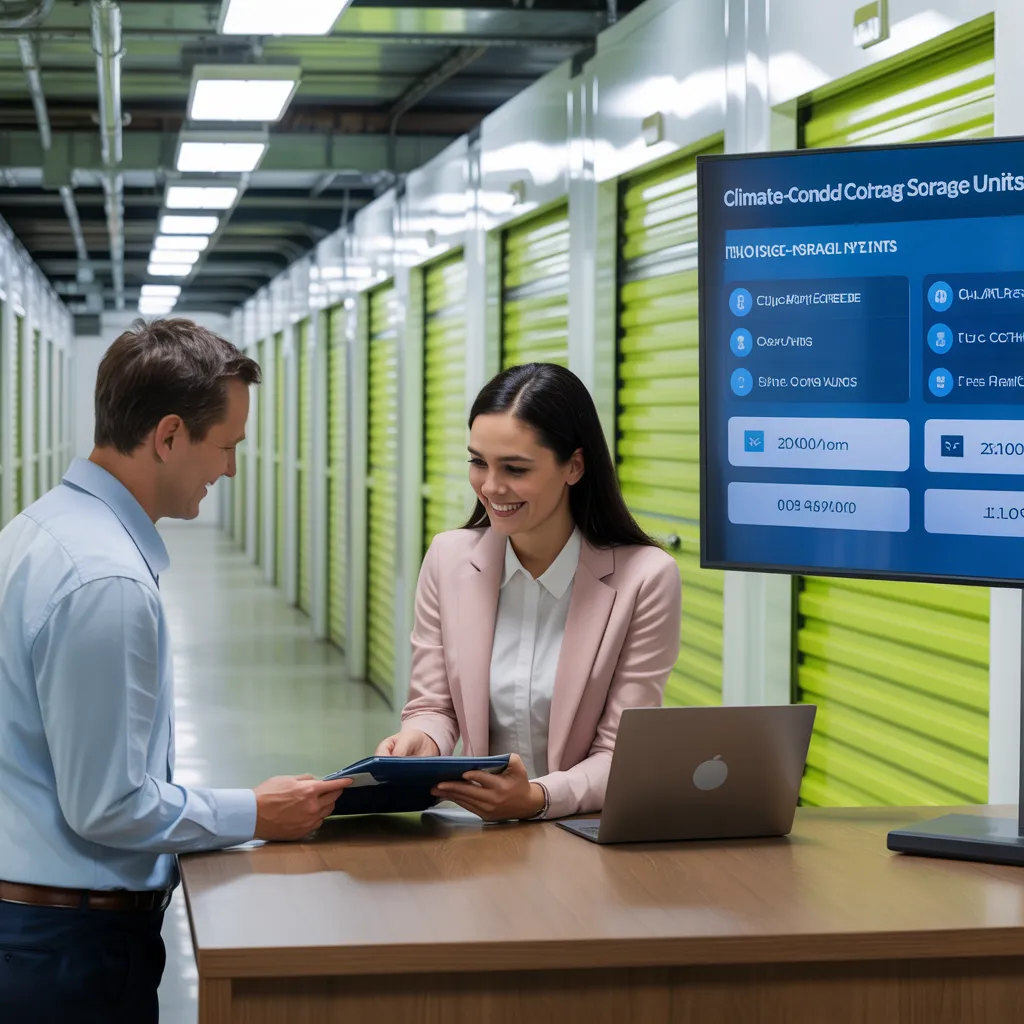
How to Identify the Appropriate Size Storage Space?
When deciding on the appropriate capacity for a storage space, how can one assure that their wants are fulfilled without overspending? To figure out the right capacity, individuals should first list their belongings, categorizing things by size and number. This review offers a clearer view of required area. Then, it is advisable to reflect on future needs, as additional items may arise over time.
Utilizing standardized size references supplied by storage facilities can also support, as these guides typically depict how many boxes or furniture pieces can fit within each unit size. Additionally, picturing the space can be beneficial; some facilities make available virtual tours or diagrams.
In conclusion, consulting customer feedback may highlight practical insights related to unit sizes, offering further insight. By conducting comprehensive research and preparation, individuals can select a storage unit that fulfills their needs effectively while avoiding unnecessary expenses.
Key Characteristics to Look For in Your Perfect Storage Facility
What important aspects should one evaluate when picking a storage facility? Protection is paramount; seek out facilities outfitted with surveillance cameras, gated access, and individual unit alarms. Environmental regulation is another critical feature, especially for fragile possessions like electronics or artwork, providing ideal conditions regardless of external weather.
Accessibility proves vital as well. Facilities with extended hours or 24/7 access allow users to retrieve items at their preference. Additionally, a mix of different sizes is desirable, accommodating diverse storage needs.
Examine the facility's sanitation and preservation, illustrating its pledge to quality. In addition, inquire about customer service; quick and professional staff can greatly enhance the storage experience. Finally, location matters; a facility situated near home or work can cut down on time and labor. Reviewing these important qualities will guarantee that one opts for a storage option that meets both practical and personal criteria.
What Methods to Evaluate Prices for Cost-Effective Storage Alternatives?
Analyzing rates for affordable storage options requires a structured process to ensure the best value. First, customers should establish their exact requirements, such as unit size, placement, and rental period. Next, they can obtain price quotes from various storage providers, leveraging web-based comparison resources or directly contacting storage companies. It is essential to review any limited-time promotions or discounts that could benefit you, as these can substantially influence overall expenditures.
Additionally, prospective lessees should review carefully the terms and conditions, including any concealed charges for access, coverage, or late payments. Making a tracking document to monitor the costs and features of each choice can streamline the selection procedure. In conclusion, reviewing user feedback can offer understanding of the establishment's standing and quality of service, helping to guarantee that the chosen storage option is not only budget-friendly but also reliable and suitable for one's requirements.
What Safety Protections Should You Search For?
When selecting a storage unit, security features play a essential role in ensuring the protection of belongings. Key factors to evaluate include access management systems, which regulate entry, along with video cameras that monitor activity. Additionally, ample lighting can deter potential risks and strengthen sight lines around the facility.
Entry Control Platforms
As protection challenges continue escalating, choosing the correct access control systems for storage areas becomes increasingly important. Likely users should highlight features like electronic gate access, access codes, and magnetic card access. These technologies offer a dependable security layer, ensuring that just approved users can enter the facility. Moreover, the existence of fingerprint devices, such as fingerprint or facial recognition systems, can further boost security by adding a individualized feature. It's also vital to evaluate easy-to-use interfaces that facilitate quick access control. Periodic maintenance and updates of entry security systems are necessary to reduce vulnerabilities. In the end, a well-structured access control system can dramatically improve the complete security of storage facilities.
Surveillance Technology and Lighting
Access control systems form only one aspect of an all-encompassing security strategy for storage facilities. Surveillance cameras play an important role in monitoring activities around the premises, deterring potential theft or vandalism. When selecting a storage unit, it is crucial to ask about the number and placement of cameras, as well as whether they offer 24/7 recording capabilities. Additionally, adequate lighting boosts safety by illuminating the area, making it difficult for intruders to operate unnoticed. Motion-activated lights can further deter criminal activity. Prospective renters should verify that the facility utilizes both high-quality surveillance and effective lighting to create a secure environment, safeguarding their belongings and providing peace of mind.
Guidance for Effectively Arranging Your Storage Unit
Organizing a storage unit efficiently can transform a untidy space into a well-structured environment. To realize this, one should initiate by classifying items into discrete groups, such as seasonal decorations, sports equipment, and important documents. assessment Next, utilizing vertical space is important; shelving units can amplify storage while preserving items effortlessly accessible. Identifying boxes clearly helps to identify contents at a glance, lowering the time spent searching for specific items.
Additionally, arranging frequently accessed belongings near the opening facilitates simple retrieval, while occasionally accessed possessions can be stored at the back. Establishing an catalog of contents can also improve organization, ensuring that nothing is forgotten or lost. Finally, maintaining a regular plan for reviewing and rearranging the unit can inhibit mess buildup over time. By implementing these recommendations, one can guarantee a practical and organized storage unit that meets their requirements.
How to Access and Organize Your Storage Space Effortlessly?
Gaining access to and managing a storage unit can significantly enhance the overall efficiency of its use. Knowing access hours is crucial for planning visits, while applying efficient organization methods helps streamline the retrieval process. Together, these elements improve the overall storage experience.
Find Out What Operating Hours Mean
How can one effectively navigate the different operating times of a storage unit? Understanding the operating times is essential for efficient planning. Most storage centers offer standard hours, generally from dawn until dusk, while some offer availability. It's important to verify the exact operating times for the selected unit. Many storage facilities also have particular times when access may be restricted, such as holidays or service periods.
Furthermore, clients should inquire about any procedures for late-night access, which may require a keycode or special arrangements. By being aware of these considerations, individuals can better manage their timetables and guarantee they can retrieve or store items as required, preventing potential inconveniences.
Handling Items Productively
Effectively controlling belongings within a storage unit calls for meticulous planning and strategic arrangement. Initially, users should categorize belongings by type, how often they’re used, or measurement, ensuring that frequently needed belongings are located at the front. Clearly marking boxes can significantly speed up retrieval. Using shelving optimizes vertical space, and clear bins provide a way to see contents without opening each container. Periodically reviewing and removing unneeded belongings helps avoid clutter. Furthermore, creating an inventory list, whether digital or paper, permits easy tracking of stored belongings. Maintaining a regular access schedule can also improve visits by making the most of the time at the storage unit. Together, these strategies support efficient storage unit management, simplifying both access and organization.

Frequently Requested Questions
What Items Are Prohibited in Most Storage Units?
The majority of storage units exclude hazardous materials, perishable goods, live animals, stolen items, illegal substances, and firearms. The purpose of these restrictions is to assure safety, security, and adherence to local regulations for every tenant occupying the facility.
Is It feasible to access My Storage Unit After Hours?
Accessing to a storage unit after hours depends on the facility's policies. Some offer 24/7 access with a unique passcode, while others restrict entry to standard operating hours. It's essential to review particular details before leasing.
Can you find insurance options to cover stored items?
Yes, many storage facilities offer coverage solutions for stored items. Customers can choose multiple protection packages, protecting valuables against theft, damage, or natural disasters, providing peace of mind during the storage period.
In What Ways Do Climate-Controlled Units Differ From Traditional Units?
Climate-controlled units maintain uniform temperature and humidity levels, shielding sensitive items from extreme conditions. In contrast, standard units lack this regulation, potentially leaving belongings to temperature fluctuations and moisture, which can create damage over time.
What Types of Payment Options Are Available for Storage Rentals?
Most storage units welcome various payment methods, such as credit and debit cards, electronic bank transfers, and sometimes checks. Some may even offer online payment options for increased flexibility and ease in managing rental fees.