Discover Freshness: Your Comprehensive Guide to Buying a Refrigerated Trailer for Sale
Within the competitive environment of food supply chain management, a freezer trailer stands as a vital resource for companies managing temperature-sensitive products. Recognizing the specialized features, dimension choices, and economic factors is imperative for making an informed decision. The choice between new and used models can significantly affect day-to-day operations. When companies seek to improve their refrigerated storage capabilities, they must assess various aspects to maintain maximum efficiency and compliance. Which critical factors might go unnoticed?
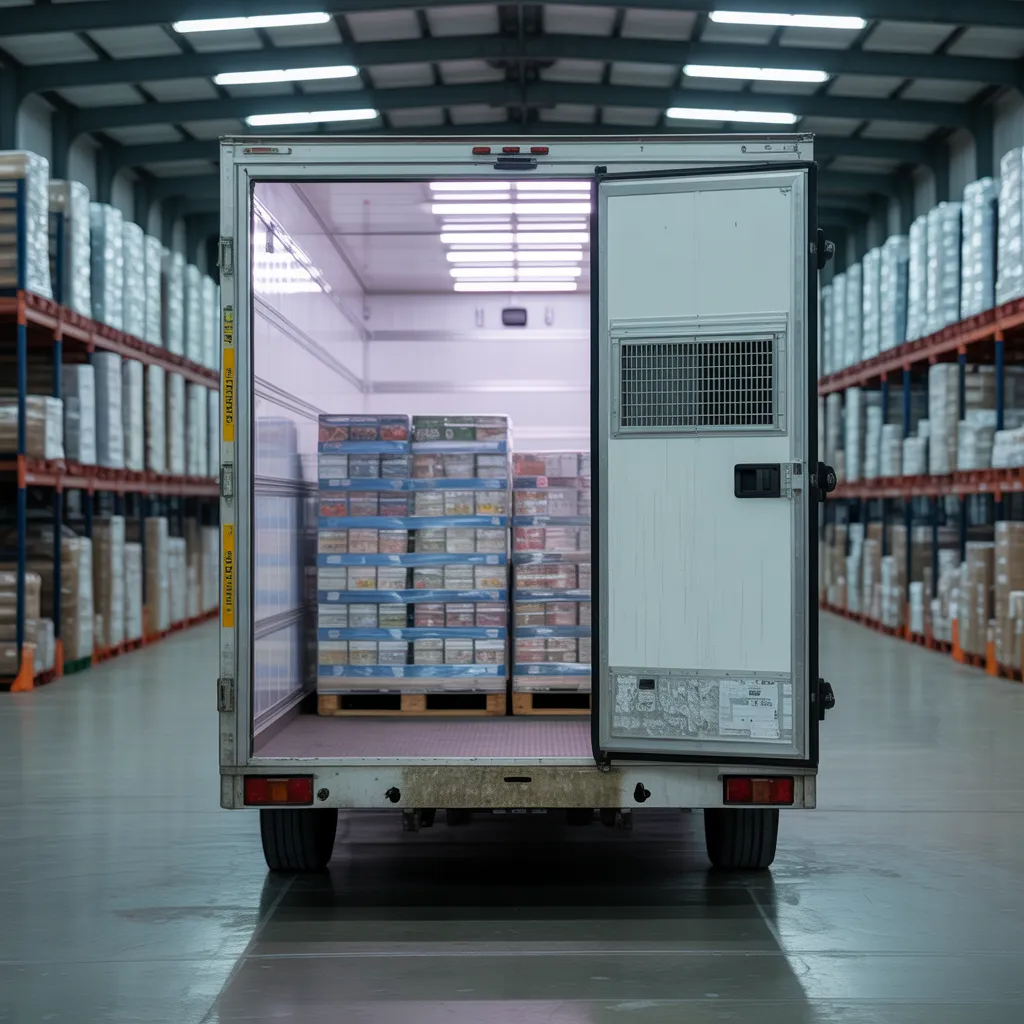
Why Choose a Freezer Trailer for Your Business?
A growing number of businesses are turning to freezer trailers to improve their day-to-day operations. These versatile cold storage units offer adaptability, allowing organizations to transport perishable goods without compromising quality. By investing in freezer trailers, companies can extend their logistical operations, reaching remote locations where traditional refrigeration might not be feasible.
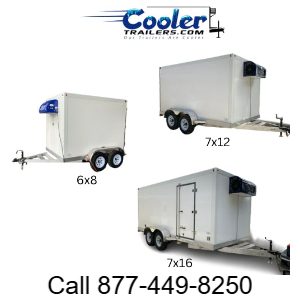
Moreover, freezer trailers deliver the key advantage of sustaining a consistent environment, which is critical for preserving food safety and prolonging shelf life. This is particularly useful for sectors such as catering, food distribution, and pharmaceuticals, where temperature regulation is essential.
Furthermore, freezer trailers generally need less initial investment when measured against establishing permanent refrigeration infrastructure, making them a financially advantageous choice for numerous businesses. As consumer interest in fresh and frozen products continues to rise, employing freezer trailers allows enterprises to satisfy client demands while enhancing their distribution workflows.
Essential Features That Ensure Your Freezer Trailer Delivers Optimal Performance
Investing in a freezer trailer provides several advantages, but its efficiency primarily depends on specific features intended to maximize performance. Primarily, a reliable refrigeration system is essential, ensuring stable temperatures that protect food quality. Energy efficiency is a further key feature, as it lowers operating costs while preserving perfect conditions.
In addition, the quality of insulation is a key factor in temperature retention, lowering energy usage and improving performance. The building material of the trailer ought to be robust and corrosion-proof, assuring longevity even in harsh environments.
In addition, a properly functioning drainage network is essential for maintaining cleanliness and hygiene, vital for ensuring food safety.
Lastly, user-friendly temperature monitoring systems offer real-time data, allowing technicians to make necessary adjustments quickly. Together, these features confirm that a cold storage trailer not only meets but exceeds operational demands, thereby advancing long-term business achievement.
Selecting the Ideal Freezer Trailer Size for Your Requirements?
When picking out a refrigerated trailer, it is important to evaluate individual storage needs to ensure enough room for the desired purpose. Furthermore, factoring in the towing capability of the vehicle can prevent complications during transportation. Careful consideration of these aspects will aid in determining the correct size freeze trailer unit.
Evaluate Your Storage Requirements
How can one determine the optimal capacity for a freezer trailer? Evaluating storage needs is critical for reaching a well-informed conclusion. Initially, people should evaluate the kinds and amounts of items they wish to accommodate. For companies working with temperature-sensitive products, a larger capacity may be necessary to manage shifts in stock demands. Additionally, factoring in how often restocking occurs is an important consideration; regular restocking schedules might call for a smaller unit. One must also remember to account for potential expansion—scaling up may call for a more spacious unit. Lastly, evaluating available space for parking and maneuvering the trailer can influence size choices. Considering all of these elements guarantees that the preferred cold storage trailer meets both current and future demands efficiently.
Factor In Vehicle Capacity
What factors should one consider concerning vehicle capacity when choosing a freezer trailer? First, the towing capacity of the vehicle must align with the trailer's weight. Exceeding this limit can lead to safety hazards and potential vehicle damage. Furthermore, the trailer's size should suit the intended purpose; a greater capacity works best for hauling bulk goods, whereas a compact size may be adequate for infrequent deliveries. Consideration should also be given to the vehicle's agility and the trailer's size, guaranteeing they are capable of maneuvering through urban areas or restricted spaces efficiently. Lastly, proper weight distribution is critical for maintaining stability while in transit, impacting both handling and safety. Taking all these elements into account will aid in identifying the ideal freezer trailer for individual needs.
New or Used Purchase Guide Freezer Trailer Advantages and Disadvantages
When exploring acquiring a freezer trailer, the selection between brand-new and second-hand options presents distinct advantages and drawbacks. New trailers typically include manufacturer warranties and modern features but at a premium price, while pre-owned trailers may be more budget-friendly yet could require additional maintenance. Assessing these considerations is crucial for reaching a well-informed conclusion.
Pricing Considerations
Deciding between new and used freezer trailers encompasses several cost factors that can significantly affect a buyer's budget. New freezer trailers typically feature higher upfront costs but deliver the latest technology, warranties, and potentially lower maintenance expenses. In contrast, used trailers can provide significant savings, often at a fraction of the cost, but may lack modern features and could need more frequent repairs. Buyers should also factor in depreciation, as new trailers depreciate rapidly, while used models may hold their value more effectively over time. Ultimately, assessing the initial purchase price against long-term value and reliability will help buyers arrive at a knowledgeable conclusion that matches their financial goals.
Maintenance Requirements
Maintenance considerations are a key factor in the decision-making process between new and used freezer trailers. New freezer trailers typically come with warranties, reducing potential repair costs and guaranteeing dependable operation. Their advanced technology often requires less frequent maintenance. In contrast, used trailers may present hidden issues that lead to increased upkeep costs over time. Prospective owners should examine the age, current state, and service documentation of used trailers, as aging models may require more regular servicing or component replacements. Furthermore, the accessibility and pricing of maintenance services may differ depending on the manufacturer. Ultimately, the choice copyrights on balancing initial investment with long-term maintenance expectations, confirming that the preferred choice meets both functional demands and budgetary boundaries.
Freezer Trailer Cost Breakdown
Determining the budget for a freezer trailer demands thorough evaluation of several key factors. The base purchase price tends to be the primary cost factor, as costs differ depending on size, brand, and features. Buyers should also factor in supplementary fees, like shipping and delivery charges, which may increase the total investment required.
Maintenance and operational expenses are essential as expert guide well; electricity costs, routine servicing, and potential repairs can accumulate over time. Buyers should also consider insurance and registration fees, which may be required by local regulations.
In addition, it is important to account for any enhancements or accessories that may boost efficiency, such as racking solutions or temperature regulation systems. By considering all these factors, prospective buyers can create a practical budget that addresses both immediate costs and long-term financial commitments tied to the ownership of a freezer trailer.
Tips for Maintaining Your Freezer Trailer for Maximum Longevity
Regular maintenance of a refrigerated trailer is vital for maintaining its longevity and peak performance. Periodic service checks should be performed to assess the temperature control system, establishing that all elements perform efficiently. Thoroughly cleaning all surfaces of the unit guards against the accumulation of debris and contaminants, which can affect operational performance and sanitary conditions.
It is important to track temperature levels and ensure they stay stable, as fluctuations can compromise stored goods. Moreover, examining seals and gaskets periodically supports consistent temperature control and reduces energy consumption.
Tires and brakes should also be inspected routinely to guarantee safe transport. Placing the trailer in a covered or shaded space can protect it from environmental wear and tear. Finally, maintaining proper documentation of repairs and servicing can help pinpoint ongoing problems and assist with future resale value. By adhering to these practices, owners can significantly prolong the life of their freezer trailer.
How to Optimize Freshness and Performance in Your Freezer Trailer
Enhancing freshness and efficiency in a refrigerated trailer requires strategic planning and careful management. Initially, appropriate temperature settings are crucial; keeping a steady temperature of -18°C (0°F) secures optimal preservation of products. Regularly monitoring and calibrating temperature controls helps prevent fluctuations.
Moreover, arranging products by category and expiration date boosts accessibility and cuts down on waste. Implementing clear labeling and designated areas allows for efficient inventory management.
Additionally, reducing door openings prevents temperature loss. Efficiently loading the trailer, establishing airflow around items, additionally assists in maintaining a controlled environment.
Routine maintenance inspections, including cleaning condenser coils and inspecting seals, help copyright the unit's optimal performance.
Finally , investing in superior insulation enhances the vehicle's ability to retain cold air, additionally promoting freshness. Implementing these techniques will confirm that a freezer trailer operates at peak capacity, protecting products and optimizing operational efficiency.
Frequently Asked Questions
Which Brands Are Top-Rated for Freezer Trailers?
Notable brands for freezer trailers include Frigidaire, Thermo King, and copyright Transicold. These brands are renowned for their efficient cooling solutions, reliability, and advanced technology, addressing diverse requirements in the transportation of perishable products.
How Should I Clean and Sanitize My Freezer Trailer
When cleaning and sanitizing a freezer trailer, begin by removing all items. Use warm, soapy water to scrub surfaces, then rinse thoroughly. As a final step, use a food-safe sanitizer, ensuring it contacts all surfaces before allowing to air dry.
Can I Customize My Freezer Trailer?
Certainly, freezer trailers are able to be customized. Operators regularly adjust elements such as racking systems, climate settings, and external aesthetics to optimally address their specific needs, guaranteeing superior efficiency for transporting temperature-sensitive items efficiently.
What Are Typical Repair Concerns With Freezer Trailers?
Frequent repair problems with freezer trailers include insulation breakdown, compressor failures, thermostat malfunctions, and electrical issues. Scheduled maintenance assists in reducing these concerns, ensuring peak performance and prolonging the lifespan of the unit.
What Are the Best Practices for Transporting My Freezer Trailer Safely?
When transporting a freezer trailer safely, make sure it is properly fastened to the towing vehicle, check tire pressure, and evenly distribute the weight. Use appropriate tie-downs and track temperature during transport to protect contents' freshness.