Maximize Your Space: The Ultimate Guide to Picking the Ideal Storage Shed
Choosing the ideal storage shed is crucial for maximizing outdoor space effectively. It requires careful consideration of individual needs, available space, and suitable materials. A well-chosen shed not only serves functional needs but also elevates the overall aesthetic of a home. Navigating these elements can be challenging. What characteristics will truly matter most? Examining these questions can lead to a more organized and valuable outdoor setting.
What Would You Use a Storage Shed For?
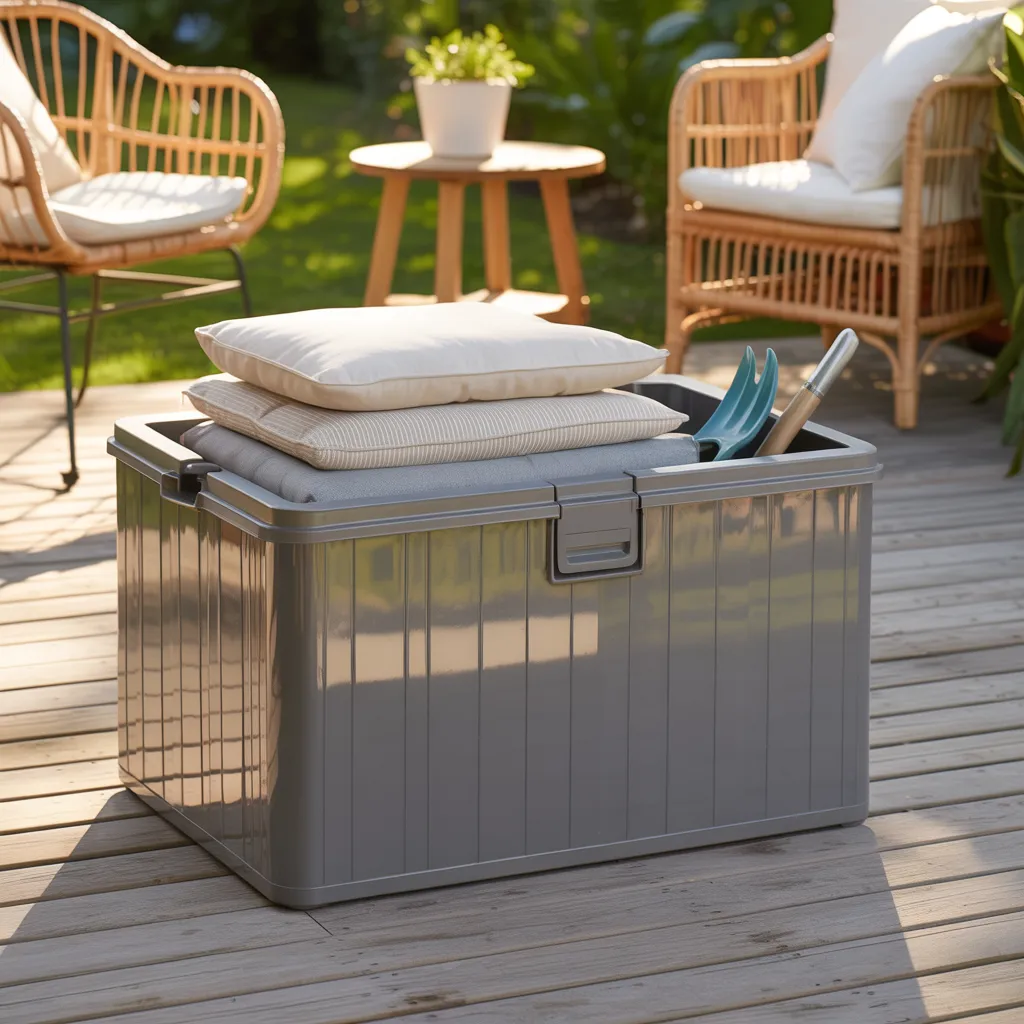
When thinking about the purchase of a outdoor shed, one might question what exact purposes it will address. Identifying these needs is crucial for making an informed decision. A great number of homeowners need extra space for landscaping tools, outdoor equipment, or seasonal decor. A storage shed can also act as a workshop for hobbies, providing a specific space for carpentry or creative projects.
Many homeowners may look for a shed to house bicycles, lawnmowers, or pool supplies, protecting these possessions from outdoor elements. Additionally, for those with pets, a shed can provide a safe space for pet supplies or even a cozy retreat for animals.
In the end, knowing the specific purpose of the shed will shape the evaluation process. Accurately identifying requirements allows for a highly personalized and efficient choice, guaranteeing the shed successfully improves storage and optimizes the existing space in the garden or yard.
How Much Space Do You Actually Need?
Figuring out the correct size for a garden shed involves an assessment of your unique storage demands. Knowing the items you plan to store and assessing the space available are essential considerations in this endeavor. In addition, applying reliable measurement techniques can help secure a functional placement within the chosen space.
Assessing Your Storage Needs
How does one properly determine their storage requirements? The first step involves creating an inventory of belongings that require storage. Such items encompass seasonal goods, tools, outdoor equipment, and other possessions that cannot be accommodated within the home. Sorting items based on their dimensions and how frequently they are accessed can provide greater clarity on what is required.
Next, consider the future; anticipating future purchases can help avoid underestimating space demands. Furthermore, individuals should assess whether they need dedicated shelving units, work surfaces, or open floor space for larger items.
Finally, it is critical to take into account accessibility. Guaranteeing that commonly used items are conveniently accessible can determine the complete size and layout of the data storage structure. By thoroughly assessing these elements, one can form sound judgments about the best storage shed.
Techniques for Measuring Available Space
To properly measure the available space for a storage shed, people should start by examining their outdoor area and noting any physical restrictions, such as property lines, trees, or existing structures. Next, using a tape measure, they should determine the dimensions of the desired placement area, making sure to account for any necessary clearance around the shed for accessibility and ventilation. Additionally, marking the shed's footprint with stakes or chalk is a practical way to confirm it will fit in the intended space. Moreover, reviewing local zoning guidelines is important as they may impact the shed's location and overall size. In the end, a comprehensive measurement process ensures that the chosen storage shed will blend naturally into the outdoor space while optimizing its functional utility.
What Materials Are Best to Use for Your Shed?
When selecting a storage shed, the type of materials significantly affects maintenance, durability, and aesthetics. Popular materials encompass wood, metal, and plastic, with each providing unique benefits.
Wooden sheds offer a timeless appearance and are highly customizable but need consistent upkeep to avoid rot and pest damage. Metal sheds, often made of galvanized steel or aluminum, offer strength and resistance to the elements but can be susceptible to rust if not properly treated. They typically require minimal upkeep.
Plastic garden sheds, constructed from resin or high-density polyethylene, are light in weight, rot-resistant, and largely maintenance-free, making them a perfect option for individuals who prioritize convenience.
In the end, the decision should take into account individual preferences when it comes to aesthetic style, ongoing maintenance requirements, and the planned use of the shed. Each available material comes with its own set of benefits, making it critical to assess personal needs before making a final choice.
How to Match Your Shed Style to Your Home
Picking a storage shed that suits the look of a home boosts both usability and curb appeal. To achieve this, homeowners should first assess the architectural features of their residence. To illustrate this point, a modern residence could benefit from a streamlined, minimalist shed, while a traditional house might benefit from a classic wooden shed with detailed trim.
Color coordination is also essential; aligning the shed's color with the home's facade helps achieve a unified appearance. Property owners ought to take their surroundings into account; blending the shed with the property's natural surroundings will elevate its overall attractiveness.
Moreover, the shed's dimensions should correspond to the size of the property and neighboring buildings, making sure it doesn't overpower or appear too small. In the end, the goal is to create a balanced relationship between the shed and the house, improving the general aesthetic appeal while supplying adequate space for storage.
How Much Should You Plan to Spend on Your Shed?
Planning a budget for a storage shed requires thoughtful evaluation of multiple factors. Critical components such as size, material, and design significantly impact the total cost. Understanding these components will help in establishing an accurate budget that satisfies both practical needs and personal preferences.
Establish Shed Size
How does someone determine the appropriate size for a storage shed while keeping costs in mind? The initial step requires assessing the shed's intended purpose. Determining whether it will house outdoor furniture, gardening tools, or larger equipment can impact the size needed. Following this, it is important to evaluate the space available in the yard, ensuring ample room for the shed while considering local zoning regulations. Budget considerations also play a key role; larger sheds tend to require a higher investment. As a result, prioritizing needs over wants can assist in reaching a cost-effective decision. Moreover, planning for future storage needs can prevent the necessity of a second purchase, which ultimately results in long-term savings.
Materials and Design Pricing
What elements should someone take into account when determining the costs of materials and design for a storage shed? Initially, the selection of building materials significantly affects the total expenditure. Typical choices consist of metal, wood, and plastic, with each option offering different price points and durability levels. Furthermore, the intricacy of the shed design—including roofing type and the addition of windows—could impact the total expenditure. Workforce costs should equally be considered, especially for custom designs or professional installations. Beyond that, municipal regulations might necessitate building permits, increasing the total cost. It is advisable to research and compare prices from various suppliers and contractors to find the best deal. At the conclusion of the process, a well-planned budget that accounts for all these elements enables a person to arrive at a well-considered choice when acquiring an outdoor storage shed.
Must-Have Features for Your Ideal Storage Shed
Selecting the perfect storage shed involves evaluating multiple key aspects that can enhance performance and longevity. Most importantly, adequate air circulation is essential to prevent moisture accumulation and protect the contents inside. Built-in shelving and organizational systems optimize storage capacity, allowing quick retrieval of tools and equipment. In addition, a reliable locking mechanism is vital for safeguarding important items.
A durable foundation, whether concrete or wood, offers lasting stability, while weather-resistant materials guarantee protection against the elements. Consider the size carefully; it must meet current requirements while allowing for future growth. Installing windows for natural light can increase visibility, helping you locate belongings with greater ease.
As a final consideration, aesthetic value deserves careful attention. Opting for a look that enhances the home and yard can boost overall property value. By integrating these must-have qualities, property owners can choose a garden shed that fulfills practical requirements and personal preferences.
Frequently Asked Questions
What Are the Best Locations for Placing a Storage Shed?
Ideal locations for placing a storage shed include level, properly drained spaces clear of trees, providing sufficient sun exposure and convenient entry. Nearness to your residence increases usability, while maintaining local regulations and property lines is essential.
How Can I Keep My Storage Shed in Good Condition Over Time?
Routine upkeep of a storage shed includes inspecting for damage, cleaning debris, checking for leaks, and treating wood with protective coatings. Ensuring proper ventilation prevents mold, while routine organization keeps contents accessible and tidy.
Am I Able to Customize My Storage Shed?
Storage sheds are available in a wide range of customizable options. Homeowners can select from a variety of materials, colors, sizes, and interior configurations to meet their specific requirements, making sure the shed blends seamlessly with their property while meeting their storage needs.
What Permits Do You Need to Build a Shed?
Municipal regulations commonly indicate that construction permits could be needed for outdoor sheds. Property owners ought to review zoning ordinances, height limitations, and property boundaries, making sure they comply to prevent fines or possible demolition of the structure.
How Do I Secure My Storage Shed From Theft?
To secure a storage shed from theft, homeowners should mount robust locking mechanisms, utilize motion-sensor lighting, strengthen doors and windows, invest in a security camera, and keep an unobstructed sightline to the shed from the home.